Table Of Content
While we are excited to announce this effort in celebration of Earth Month, this is not a limited-time collection, and the initiative will continue year-round. We plan to continue to increase the number of stuffed toys containing recycled material moving forward. Did you know 80% of a product’s environmental impact is determined in the design phase?
Embracing Continuous Product Design: A Paradigm Shift in Innovation
In this comprehensive guide, we’ll dive deep into the world of continuous product design. It is a strategy that has become a cornerstone for successful businesses, from sprightly startups to tech giants. These are libraries of design solutions that help ensure consistency and speed up the design-to-development process. Tools like Figma or Storybook can aid in creating and maintaining a design system. Tools like Zeplin or Avocode allow designers to hand off designs to developers with all the specs, assets, and code snippets they might need. Spotify's dedication to continuous product design has allowed the company to maintain its market leadership and deliver a consistently great experience for its users.
Feedback
Without this, there's a risk of discrepancies between the designed vision and the final product. Developers need to be in the loop so they can swiftly implement these changes. These elements ensure the methodology operates smoothly, making products that resonate with users and evolve effectively. By embracing continuous product design, Tesla has been able to continually refine its products, leading to a reputation for innovation and quality in the automotive industry. Because of this, it’s important for you to share your product vision before the system design phase. A successful system design is important for a product manager to highlight future plans and achieve product goals.
How Tesla is changing product life cycle in the car industry - LSE Home
How Tesla is changing product life cycle in the car industry.
Posted: Mon, 05 Feb 2018 08:00:00 GMT [source]
Invest in Cross-Functional Teams
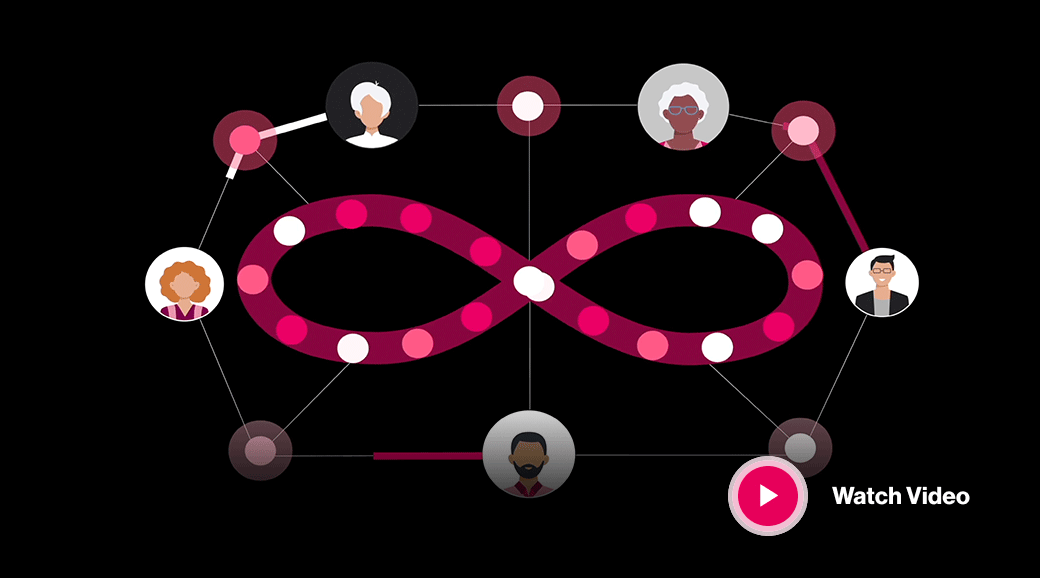
Predictive analytics can forecast future trends, enabling designers to anticipate and proactively respond to user needs. Data analytics is central to continuous product design, providing insights that drive decision-making and inform iterative improvements. An agile and iterative approach is characterized by breaking down the product development process into smaller, manageable increments known as 'sprints'. Continuous product design is a forward-thinking approach that focuses on evolving a product through ongoing development and user feedback. This strategy relies on a cycle of design, application, evaluation, and refinement. You can make sure that your software products remain innovative, user-centric, and market-relevant.
Principles Guiding Continuous Product Design
It is a dynamic and iterative process that requires creativity, flexibility, and adaptability to succeed in today’s competitive business landscape. Product development is defined as the process of creating new products or improving existing ones to meet the needs and wants of consumers. It involves various stages from conception to market launch, including ideation, research, design, prototyping, testing, and manufacturing. Throughout this process, businesses aim to develop products that offer unique features, solve specific problems, or fulfill particular desires of their target market. Continuous Product Design (CPD) is an iterative and collaborative approach to product development that emphasizes constant customer feedback, continuous learning, and rapid adaptation.
Continuous Product Design: Best Practices for Successful Implementation
Designers are usually embedded in the process — a huge win on the face of it — but often in a structure that doesn’t allow them to orchestrate the user experience. A decade into this new era, I am reminded of these challenges daily by people who are confused and disoriented by the digital tools they live and work with. Unlike traditional methods that may have been more focused on what a company believed was best, continuous design places the user's needs and feedback at the forefront. It's about understanding their pain points, preferences, and desires and then crafting solutions that address them. When a product is truly customer-centric, it's more likely to see increased user satisfaction and loyalty. Product design is the process of imagining, creating, and iterating products that meet specific market needs and solve user problems.
What is the agile Development Process?
Shutting down and starting up many continuous processes typically results in off quality product that must be reprocessed or disposed of. Many tanks, vessels and pipes cannot be left full of materials because of unwanted chemical reactions, settling of suspended materials or crystallization or hardening of materials. Continuous production is a flow production method used to manufacture, produce, or process materials without interruption.

One of the things we’re predictable about is we tend to do the work that we’re paid for. If you pay people to do nothing, eventually, they’ll get really good at doing nothing. As a CEO or product leader, I want to be able to say, “I have confidence when we’re operating this way—that we’re going after the right next work that’s most valuable to our customers.” That’s a big deal. The watch collects data regularly and sends it over LoRa (Long Range) WAN, which is a sub-gig RF frequency (868 MhAZ). LoRa is touted as one of the best protocols for IoT and is ideal for battery-powered devices due to its low power consumption and built-in security features.
Test and release
After all, our commitment to developing meaningful products is not just about keeping pace with change; it's about leading the charge. This same principle applies to every business in every industry, from cars to household appliances, software applications to fashion. Continuous product design is the key that unlocks a product's full potential over its lifecycle.
In the design consultancy business model, a stage-gated structure with clear directionality helps everyone feel safe. Hugh Dubberly highlights the sameness of consultancy models in his invaluable compendium of more than 100 design process models, how do you design. In meeting Mario and in the business relationship and friendship that followed, I realized that he and Quantum Metric are really the Real Deal. It was clear to me that Mario had a vision for a better way to understand and improve the customer experience (as well as the software platform to deliver on that vision).
While user feedback is invaluable, managing and integrating it can be overwhelming. The key is to develop a systematic approach to collect, analyze, and implement feedback. This might involve dedicated teams or software tools designed for feedback management. The bridge between design and development is crucial for a seamless product experience. Here's why their integration matters and how to achieve it in the realm of continuous product design. By using InVision, your team can work together more efficiently and effectively, ensuring a smoother continuous product design process.
Foster a sense of ownership and enthusiasm for embracing change within the team. Much of successful product design and development is about balancing the goals of your customers and those of the company. In an ideal world, the perfect solution for customers is the best driver of business value. Continuous design requires the ongoing collection of feedback on what’s working and what isn’t — including from internal team members, external team members and perhaps most critically, users. As feedback is incorporated over the short term, new market opportunities, changes in product value as well as the introduction of long-term business goals will naturally cause these ideas to evolve.
After reviewing the feedback, teams may decide to change the concept with additional tweaks, abandon the concept altogether or double down if the feedback validates your direction. For ideas that spark a significant amount of change, test multiple times before giving the green light. Did you know that over 100 Disney stuffed toys in North America contain recycled material? For several years, Disney has been on a journey to make our products more sustainable, in part, by expanding our use of recycled materials. Expand product offerings into new geographic markets or international regions to reach a broader customer base and capitalize on new growth opportunities.



No comments:
Post a Comment